
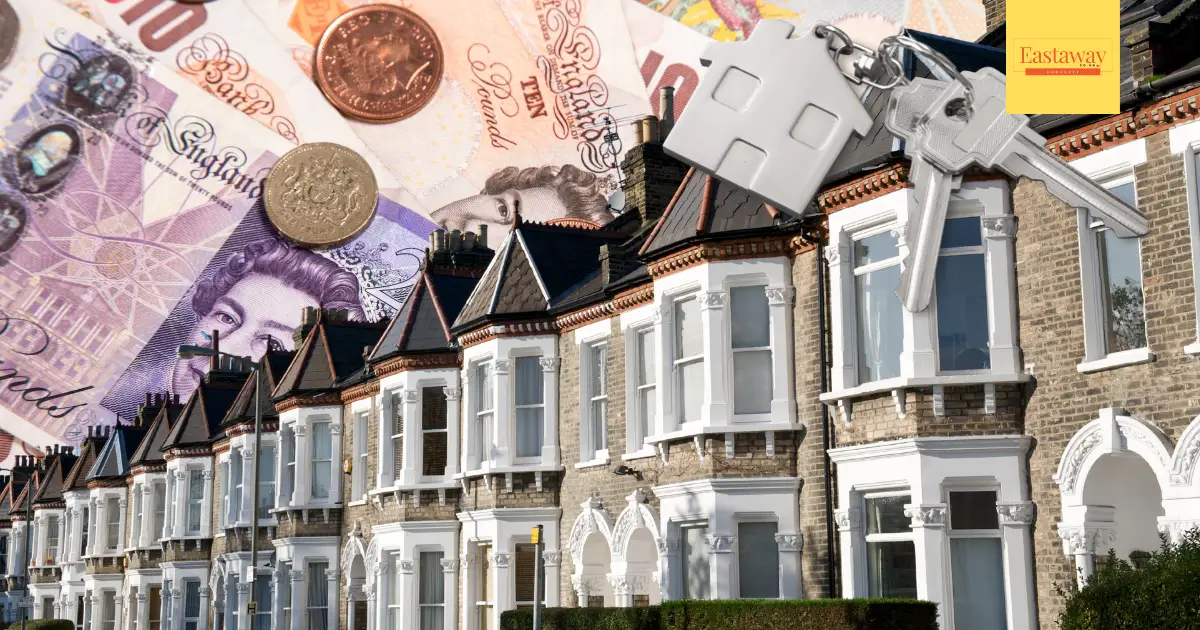
In the buzzing world of property transactions, the term “cash buyer” often takes centre stage, draped in allure and promise of a straightforward sale but do you really know what a genuine cash buyer is? As a qualified estate agent, I’m here to demystify what a cash buyer really is and to shine a light on the virtues of other types of buyers who navigate the market with different financial tools. Let’s jump in…
The True Cash Buyer: Unpacking the Prestige
Imagine a buyer who can, at a moment’s notice, draw sufficient funds from their bank account to purchase your home outright. These funds might be from savings, a previous property sale, inheritance, or substantial earnings. These buyers are ready to proceed immediately, showing bank statements as proof of their financial readiness. They’re a dream come true for sellers because their ability to pay is unencumbered by the need for external financing, meaning fewer delays and a smoother path to closing.
However, while cash buyers are celebrated for their speed and certainty, they’re more of an exception in the market than the rule.
Cash from Proceeds of Sale and Porting Mortgages: The Middle Ground
Some buyers almost qualify as cash buyers—they have sold their previous home and are waiting on those funds, or they are porting an existing mortgage to a new property. These methods also reflect solid planning and financial management but include some dependencies that can introduce delays.
The Mainstream Buyer: Embracing the Norm
Most homebuyers rely on mortgages or other types of financing to purchase their homes. These buyers, while perhaps not as expedient as cash buyers, are by no means less serious or capable. Securing a mortgage involves thorough financial checks and can be a robust indicator of a buyer’s reliability and commitment to the purchase. Indeed, the majority of property transactions involve some form of mortgage, making these buyers the backbone of the real estate market.
Avoiding Fall Throughs with Buyers
It’s crucial to understand that the risk of a sale falling through is a reality in any transaction, cash or otherwise. Statistically, up to one in three sales fall through for various reasons, from financing issues to unexpected chain delays. This is where the value of an experienced estate agent becomes most apparent. The right agents don’t just facilitate a sale; they navigate the complexities of the transaction, foresee potential hurdles, and work tirelessly to ensure your sale crosses the finish line. This expertise is often the most critical element of any property sale but can sometimes be underestimated or overlooked.
Is cash really king?
While cash buyers can offer a simpler and quicker transaction, financed buyers are equally capable and constitute most of the market. The key to a successful sale lies not just in the type of buyer but in the expertise of the agent handling the sale. An adept agent leverages their experience and knowledge to minimise risks, manage the transaction smoothly, and cater to the needs of both sellers and buyers, regardless of how the purchase is funded.
In conclusion, whether you’re dealing with a cash buyer or a buyer reliant on mortgage financing, the real trump card in real estate is the professionalism and competence of your estate agent. Choose wisely, and you’ll find that any type of buyer can lead to a successful sale.
Are you thinking about moving? Give us a call on 01780 672030 to discuss your property and book a free, no-obligation valuation with our property experts or book online now by clicking here.