Five chimney safety checks you should make before lighting a fire

Five chimney safety checks you should make before lighting a fire


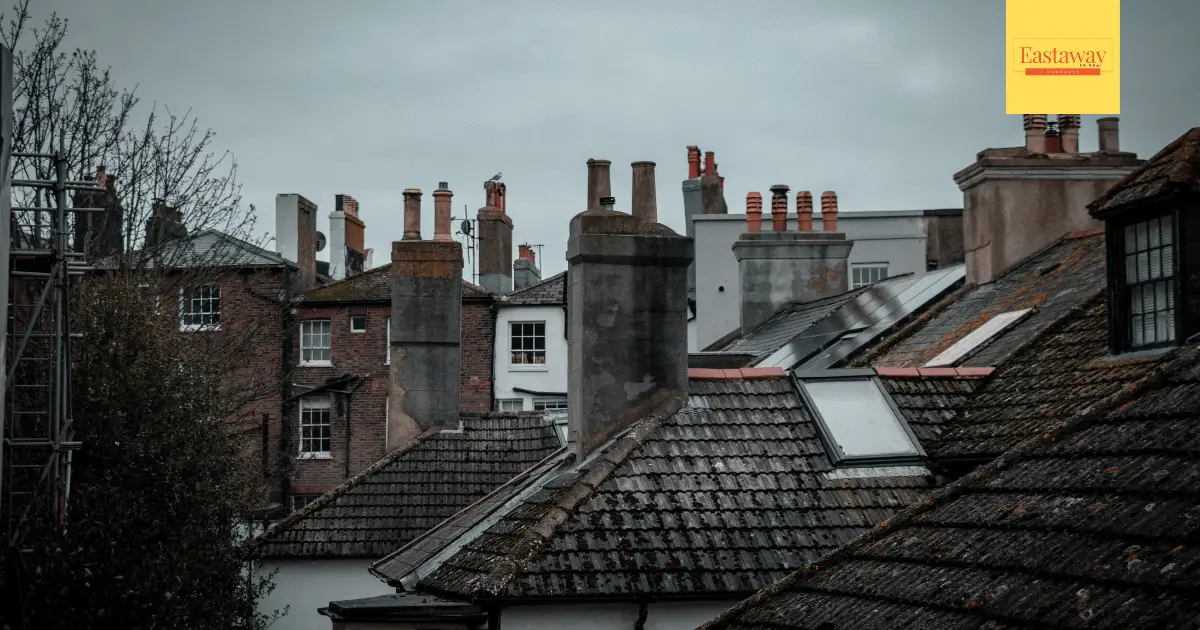
With Christmas just days away, it is time to get your property’s chimney in order as it has a busy time ahead.

It needs to be in perfect working condition if you’re going to enjoy cosy, safe family nights in around the fire.


A chimney can far too easily develop issues, such as being blocked – something that can lead to serious problems such as draught problems and the risk of carbon monoxide poisoning.


Matthew Harwood, of Confused.com home insurance, said: ‘Christmas is a wonderful time to enjoy with family and friends, but we shouldn’t forget about staying safe.’


He recommends having your chimney cleaned and inspected before lighting the season’s first fire.

Harwood also suggests using a screen to catch any sparks, to prevent them from flying into the room.


Glen Peskett, of tool company Saxton Blades, agrees, saying: ‘Blocked chimneys can pose a significant risk to homeowners, as they can lead to carbon monoxide poisoning, fires, and structural damage.


‘Regular chimney inspections and cleaning can help prevent blockages and ensure your chimney functions safely and efficiently.


‘If you suspect your chimney might be blocked or if you experience any issues while using your fireplace, call in a professional to avoid potential dangers.’


Checking a chimney and making sure that it is clean can be done in several ways, including by a professional chimney sweep.

Here are five ways to check your chimney…


Inspect your chimney

Experts advise thoroughly inspecting your chimney for cracks, loose bricks, or signs of wear and tear. 

‘Seal up gaps and cracks around your chimney with heat-resistant caulk or sealant, which can also work wonders in reducing draughts and cold air seepage throughout the winter,’ adds Mr Peskett.


Clear debris

Use a flashlight to check the interior of the chimney, and remove any debris or blockages. 

Doing this will also allow your fires to burn more efficiently and keep smoke draughting up the flue rather than entering your home.


Creosote Cleaning

Creosote is a sticky substance formed every time a wood fire burns, and can pose a serious fire hazard if not cleaned regularly.


Use a chimney brush to remove any creosote deposits lining the chimney walls. If it’s a minor buildup, a DIY approach can work, but for heavier buildups, consider professional cleaning services.


Cap installation

Check the chimney cap and screen for any damage or blockages. A properly functioning cap keeps out rain, debris, and insects. Replace or repair any damaged parts to maintain the chimney’s structure.


Final clean-up

Once all inspections are complete, give the fireplace and surrounding area a thorough clean. 

A clean and well-maintained chimney also promotes proper airflow and prevents blockages that can cause draughts.


Source https://www.dailymail.co.uk/property/article-12859671/Five-chimney-safety-checks-make-lighting-fire.html


Share this article:

Read More Articles:

Disclaimer

The information contained in this article is provided for general information and guidance only and should not be relied upon as a substitute for professional advice. While Eastaway Property takes reasonable care when preparing its content, we make no representations or warranties, express or implied, as to the accuracy, completeness, reliability, suitability or continued availability of any information contained within it. Information may change after publication, including legislation, regulations, government guidance, property market conditions, prices, interest rates, tax rules, local information, services and third-party information. Readers should always check current information and obtain appropriate professional advice before making decisions, entering into transactions or carrying out work. Nothing published within the Eastaway Property blog constitutes legal, financial, mortgage, tax, conveyancing, surveying, structural, planning, building, electrical, gas or other specialist professional advice. Any gardening, home maintenance, DIY or similar content is general guidance only. Work requiring specialist knowledge, qualifications or appropriate safety precautions should be undertaken or assessed by a suitably qualified professional. Property values, market commentary, pricing observations, timescales and opinions are general in nature. Every property, transaction, market and individual’s circumstances are different. No information contained within the blog constitutes a valuation, guarantee of value, prediction of future performance, or guarantee that a property will sell, achieve a particular price or complete within a particular timescale. References to third-party websites, businesses, products, services, schools, transport, amenities or other external information are provided for general information and convenience only. Eastaway Property does not control third-party information and does not accept responsibility for its accuracy, availability, content or continued relevance. Inclusion of a third party does not necessarily constitute an endorsement or recommendation. To the fullest extent permitted by law, Eastaway Property Services Limited accepts no liability for any loss, damage, cost or expense arising from or connected with the use of, or reliance upon, information contained in its blog or any third-party information or website referred to within it. You are responsible for verifying information relevant to your own circumstances and for obtaining appropriate independent professional advice where required. Information is correct to the best of our knowledge at the time of publication.

Scroll to Top