
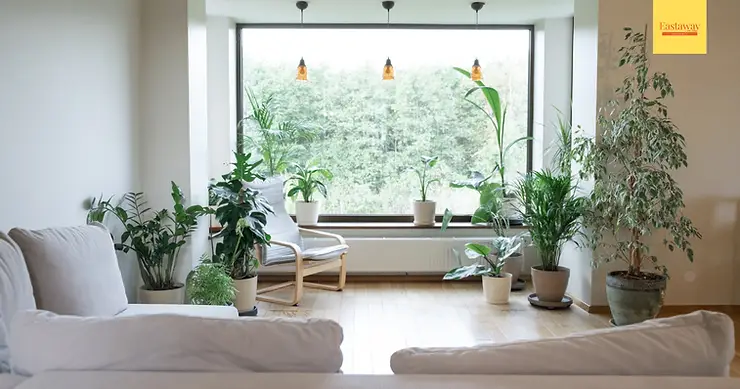
In today’s world, creating an eco-friendly home is not just a way to save the planet, but also to save on costs. However, many homeowners are concerned about the potential expenses associated with going green. Fear not! Making your home more environmentally friendly doesn’t have to mean a complete overhaul or huge investments. Let’s explore some budget-friendly changes that can make a significant impact.
Embrace Energy-Efficient Lighting
One of the simplest and most cost-effective changes you can make is to switch to LED light bulbs. They use up to 80% less energy than traditional bulbs and last much longer, saving money in the long term.
Install Low-Flow Water Fixtures
Water conservation is crucial for the environment and your wallet. Low-flow showerheads and tap aerators can reduce your water consumption significantly. They are inexpensive, easy to install, and can cut your water usage by half without compromising water pressure.
Draught-Proof Your Home
Keep the cold out and the warmth in by draught-proofing windows and doors with weather-stripping or a simple draught excluder. It’s an affordable way to improve your home’s energy efficiency and comfort.
Turn Down the Thermostat
Reducing your thermostat setting by just one degree can make a noticeable difference in your energy usage over time. It’s a small change that you’ll hardly notice, except on your energy bill.
Use Smart Power Strips
Electronics in standby mode can still consume power. Smart power strips cut the power when devices are not in use, helping to save electricity effortlessly.
Grow Your Own Greens
Start a small vegetable or herb garden. Even a few pots on a balcony can provide you with fresh produce, reducing your carbon footprint and grocery bill.
Compost Kitchen Scraps
Reduce waste and create free, nutrient-rich compost for your garden by composting kitchen scraps. You don’t need a large garden for a compost bin; compact versions are available for small spaces.
Insulate and Save
Proper insulation helps maintain your home’s temperature. While full-home insulation can be costly, you can start small with insulating curtains or using insulation film on windows.
Choose Eco-Friendly Cleaning Products
Many cleaning products contain harsh chemicals that are not environmentally friendly. Switch to green cleaning products or make your own from household items like vinegar, baking soda, and lemon.
Opt for Second-Hand and Upcycled Furnishings
Buying second-hand furniture not only saves money but also reduces your carbon footprint. Upcycling old furniture is another great way to be eco-conscious and creative.
Plant Some Trees
If you have space in your garden, planting trees can provide shade, improve air quality, and enhance your property’s overall eco-credentials.
Embracing an eco-friendly lifestyle doesn’t require a massive investment. Often, it’s the little things that add up to make a big difference. And when it comes time to sell your eco-upgraded home, these green features can be a real selling point.
At Eastaway Property, we understand the value of an eco-friendly home. Every property has a story; let us share yours, especially the chapters that speak to sustainability and care for the environment. If you’re considering selling, contact us for a free, no-obligation marketing appraisal. We’re not just about selling homes; we’re about promoting lifestyles that are kind to the earth and kind to your pocket. Let’s work together to make your property sale as green as it is prosperous.