
Energy efficiency is more than a buzzword; it’s a critical aspect of modern homeownership and property management. Whether you’re selling your home, renting out a property, or seeking to reduce your energy costs, understanding the role of an Energy Performance Certificate (EPC) is crucial. In this article, we will delve into what an EPC is, its importance, and whether you need one for your property.
Understanding Energy Performance Certificates (EPCs)
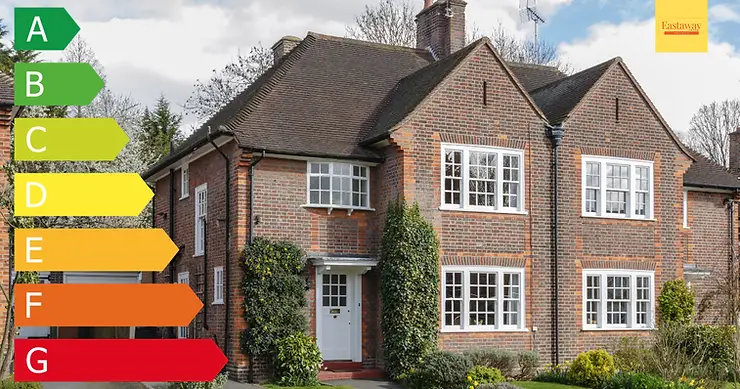
An EPC is a document that provides information about the energy efficiency of a property. It uses a scale from A (most efficient) to G (least efficient) and is valid for ten years from the date of issue. The certificate gives property owners and potential buyers or tenants an indication of how costly the building will be to heat and light and what its carbon dioxide emissions are likely to be.
The EPC includes:
- The property’s energy use and typical energy costs
- Recommendations about how to reduce energy use and save money
- An energy efficiency rating, which reflects the overall efficiency of the home
The EPC report is accompanied by a recommendation report that lists measures to improve the building’s energy performance. This might include everything from adding insulation to upgrading the central heating system.
Do You Need an EPC for Your Property?
The requirement for an EPC has been established in various regions around the world as part of the drive towards energy efficiency and environmental conservation. Here are the general instances when you require an EPC.
When Selling a Property
If you are selling your property, you are typically required to have a valid EPC to show to potential buyers. This is because the prospective buyers have the right to understand the energy performance of the house they are considering purchasing.
When Renting Out a Property
Landlords are required to provide an EPC to potential and current tenants. This certificate must be provided to a prospective tenant at the earliest opportunity and must be handed over for free.
When Building a New Property
For new builds, the property will need an EPC as soon as construction has been completed. It’s part of the building control and regulation process, and the builder must provide you with the EPC.
Exemptions and Exceptions
There are a few exceptions to these rules. Certain types of buildings may not need an EPC, such as:
- Places of worship
- Temporary structures with a planned time of use less than two years
- Residential buildings that are intended to be used less than four months of the year
- Stand-alone buildings with a total useful floor area of less than 50 square meters
The Importance of an EPC
For Property Owners
An EPC can provide a roadmap to making your property more energy-efficient and cost-effective to run. By following the recommendations, property owners can undertake improvements to help reduce their carbon footprint and save on utility bills.
For Buyers and Tenants
For buyers, an EPC can inform their decision-making process by giving them an idea of the future costs associated with the property. For tenants, it serves a similar purpose, providing insight into potential energy bills and living costs.
Legal Compliance
In some jurisdictions, it is a legal requirement to have an up-to-date EPC when selling or renting out a property. Failing to provide an EPC can result in fines and penalties.
Final Thoughts
The significance of an EPC extends beyond compliance; it is about understanding and improving the energy performance of our living spaces. As climate change and sustainable living continue to be pivotal issues, the EPC stands out as a practical tool for property owners, buyers, and tenants alike to engage with these global challenges on a personal level. Whether you are selling, buying, or simply looking to make your property more energy-efficient, an EPC is a valuable resource.
Your estate agent can arrange an EPC for your property as part of their fees.